


Creative Uses for Leftover Wood Chips and Their Surprising Benefits
- WW TS
- Apr 11
- 3 min read

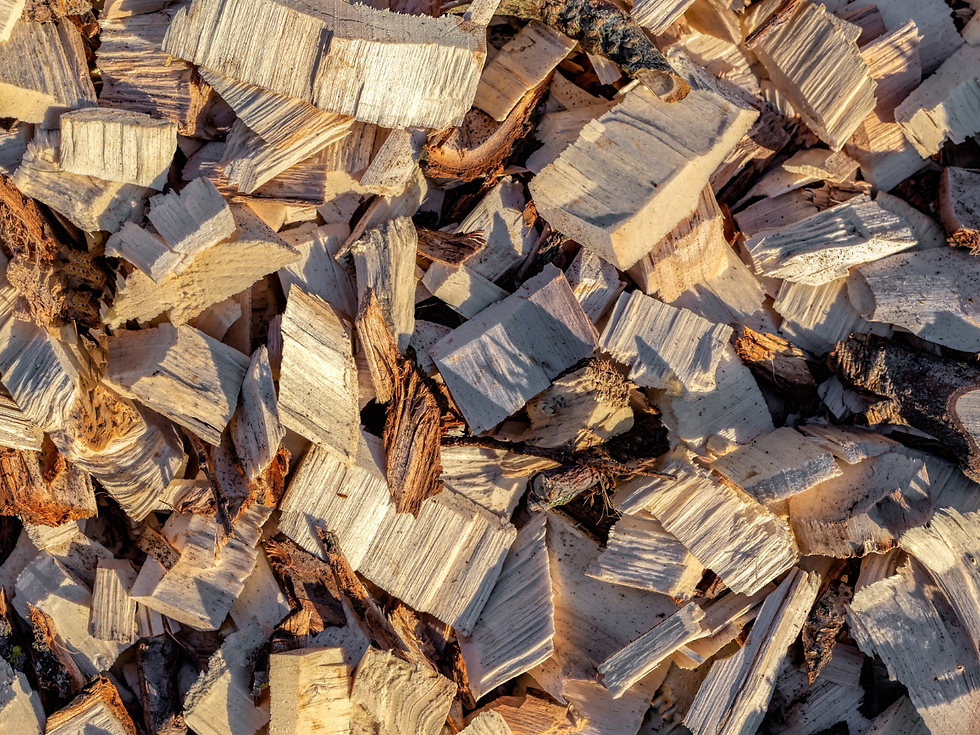
Wood chips often pile up after woodworking projects, landscaping, or tree trimming. Instead of tossing them out or letting them clutter your space, these small pieces of wood can serve many practical purposes. Using leftover wood chips not only reduces waste but also offers several benefits for your garden, home, and even pets.
Use Wood Chips as Mulch to Improve Your Garden
One of the most common and effective uses for leftover wood chips is as mulch. Mulching with wood chips offers multiple benefits:
Moisture retention: Wood chips help soil hold moisture longer, reducing the need for frequent watering.
Weed control: A thick layer of wood chips blocks sunlight, preventing weed seeds from sprouting.
Temperature regulation: Mulch insulates soil, keeping roots cooler in summer and warmer in winter.
Soil improvement: As wood chips break down, they add organic matter that enriches the soil.
To mulch properly, spread a 2-3 inch layer of wood chips around plants, keeping them a few inches away from stems or trunks to avoid rot. This simple step can boost plant health and reduce garden maintenance.
Create Natural Pathways and Play Areas
Wood chips make excellent material for garden paths and play areas. They provide a soft, natural surface that is comfortable to walk on and helps prevent mud in wet weather. Here’s how to use wood chips for paths:
Lay down landscape fabric or cardboard to suppress weeds.
Spread a 3-4 inch layer of wood chips evenly.
Refresh the layer annually as chips decompose.
For children’s play areas, wood chips offer a safer ground cover compared to hard surfaces. They cushion falls and reduce injuries. Just ensure the chips are free of sharp pieces and regularly maintained.
Use Wood Chips for Composting and Soil Amendment
Wood chips can be a valuable addition to your compost pile. They are a source of carbon, which balances the nitrogen-rich green materials like kitchen scraps and grass clippings. Adding wood chips helps create a healthy compost mix that breaks down into nutrient-rich humus.
Tips for composting wood chips:
Chop or shred large chips to speed decomposition.
Mix wood chips thoroughly with green waste.
Turn the compost regularly to maintain airflow.
Over time, compost made with wood chips improves soil structure, drainage, and fertility.
Make DIY Wood Chip Crafts and Decorations
If you enjoy crafting, leftover wood chips can be transformed into unique home decorations or garden art. Some ideas include:
Wood chip mosaics: Glue chips onto boards or frames to create textured patterns.
Plant markers: Write plant names on flat chips and place them in garden beds.
Bird feeders: Attach wood chips to pine cones with peanut butter and birdseed.
These projects add a rustic, natural touch to your space and make good use of small wood pieces that might otherwise be discarded.
Use Wood Chips for Pet Bedding and Odor Control
Wood chips can serve as bedding material for small pets like rabbits, guinea pigs, or chickens. They absorb moisture and help control odors, creating a cleaner habitat. When choosing wood chips for pets, avoid those made from treated or toxic wood types such as cedar, which can harm animals.
Change bedding regularly and keep the area dry to maintain a healthy environment for your pets.
Benefits of Using Leftover Wood Chips
Using leftover wood chips offers several advantages:
Waste reduction: Repurposing wood chips keeps them out of landfills.
Cost savings: Using free or leftover chips reduces the need to buy mulch or other materials.
Environmental impact: Wood chips are biodegradable and improve soil health naturally.
Aesthetic appeal: Wood chips add a natural, earthy look to gardens and outdoor spaces.
Pest control: Mulch layers can deter some pests by creating a barrier.
By finding creative uses for wood chips, you contribute to a more sustainable lifestyle while enhancing your home and garden.
Tips for Handling and Storing Wood Chips
To get the most out of your wood chips, consider these handling tips:
Store wood chips in a dry, covered area to prevent mold growth.
Avoid mixing treated wood chips with garden mulch.
Use fresh chips soon after production for best results.
If chips are too large, shred or break them down for easier use.


Comments