


Essential Tips for Maintaining Your Trees and Shrubs This Early Spring in Western Washington State

Spring in Washington state brings a fresh start for your garden, but it also means your trees and shrubs need some care to stay healthy through the year. Early spring is the perfect time to focus on maintenance tasks that support growth, prevent disease, and prepare your landscape for the warmer months. Whether you enjoy hands-on gardening or prefer to call in professionals like Western Washington Tree Service, these tips will help you keep your trees and shrubs thriving.

Check for Winter Damage and Remove Dead Wood
Winter storms and cold snaps can cause broken branches or damage to your trees and shrubs. Start by inspecting your plants carefully:
Look for cracked or split branches.
Identify any dead or diseased wood.
Remove broken limbs to prevent further injury and reduce the risk of pests.
Pruning dead wood improves air circulation and sunlight penetration, which helps prevent fungal diseases common in Washington’s moist climate. Use clean, sharp tools to make clean cuts just outside the branch collar to encourage proper healing.
Prune to Shape and Encourage Growth
Early spring is an ideal time to prune many trees and shrubs before they fully leaf out. Pruning helps maintain shape, controls size and encourages healthy new growth. Here are some guidelines:
For flowering shrubs that bloom on old wood, prune right after they finish flowering to avoid cutting off next season’s buds.
For shrubs that bloom on new wood, prune in early spring to stimulate growth.
Remove any crossing or rubbing branches to reduce damage and disease risk.
If you’re unsure about the right timing or technique for your specific plants, consulting a tree care professional from Western Washington Tree Service can save you time and protect your landscape investment.
Mulch to Protect Roots and Retain Moisture
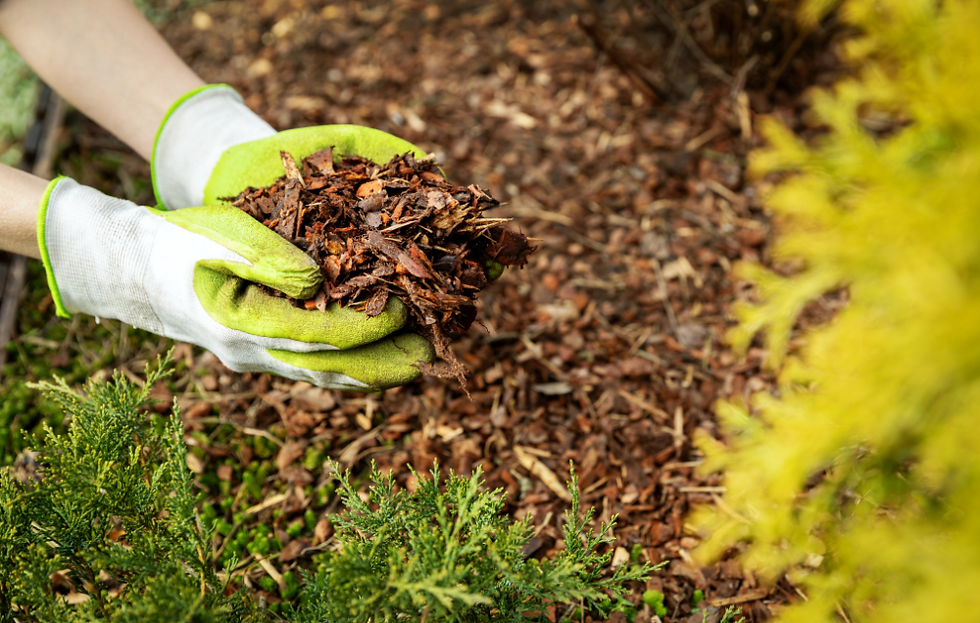
Applying mulch around your trees and shrubs helps regulate soil temperature, retain moisture, and suppress weeds. In early spring, refresh your mulch layer with 2 to 4 inches of organic material such as bark chips or compost.
Keep mulch a few inches away from the trunk or stems to prevent rot.
Mulching reduces soil erosion during spring rains common in Washington.
It also supports beneficial soil organisms that improve plant health.
Mulching is a simple step that can make a big difference in your plants’ resilience through the growing season.
Monitor for Pests and Diseases
Spring is when many pests become active and diseases start to develop. Early detection helps you manage problems before they spread.
Check leaves, branches, and trunks regularly for signs of insects like aphids, scale, or caterpillars.
Look for unusual spots, discoloration, or powdery mildew on leaves.
Remove any infected leaves or branches promptly.
Using natural remedies or targeted treatments early can reduce the need for harsh chemicals. If infestations or diseases seem severe, Western Washington Tree Service can provide safe and effective solutions.
Water Wisely During Dry Spells
Washington’s early spring can be wet, but dry spells still occur. Newly emerging leaves and buds need consistent moisture to develop properly.
Water deeply but infrequently to encourage strong root growth.
Avoid overwatering, which can lead to root rot.
Use soaker hoses or drip irrigation to deliver water directly to the root zone.
Adjust your watering schedule based on recent rainfall and soil moisture levels. Well-watered trees and shrubs are better prepared to handle summer heat and drought.
Fertilize to Support New Growth
Applying fertilizer in early spring gives your trees and shrubs the nutrients they need to grow vigorously.
Use a balanced, slow-release fertilizer formulated for trees and shrubs.
Follow package instructions carefully to avoid over-fertilizing.
Consider a soil test to determine specific nutrient needs.
Fertilizing at the right time helps plants build strong roots and healthy foliage, improving their overall resilience.
Plan for Future Care and Professional Support
Maintaining trees and shrubs is an ongoing process. Early spring care sets the stage for a healthy growing season, but regular monitoring and maintenance are essential.
Keep a calendar for pruning, watering, and fertilizing.
Watch for signs of stress or damage throughout the year.
Contact Western Washington Tree Service for expert advice, pruning, or emergency care.
Western Washington Tree Service can handle large or hazardous trees safely and provide specialized treatments that keep your landscape safe and beautiful.


Comments