


Top 8 Trees to Plant in Western Washington and Their Importance for the Environment
- WW TS
- Mar 12
- 4 min read

Western Washington offers a unique climate that supports a variety of tree species. Choosing the right trees for your property not only enhances your landscape but also benefits the environment. Trees improve air quality, provide habitat for wildlife, and help manage stormwater. These are eight trees well-suited for Western Washington and why they matter for homeowners and the local ecosystem.

1. Douglas Fir (Pseudotsuga menziesii)
The Douglas fir is a native evergreen that dominates Western Washington forests. It grows tall and strong, reaching heights over 200 feet in natural settings. For homeowners, it offers excellent shade and wind protection. Its dense needles help filter air pollutants, improving air quality around your home. The Douglas fir also supports local wildlife, providing shelter and food for birds and small mammals.
Grows well in full sun to partial shade
Requires well-drained soil
Moderate maintenance with occasional pruning
2. Western Red Cedar (Thuja plicata)
Known for its rich reddish bark and fragrant wood, the Western red cedar is another native evergreen that thrives in the moist climate of Western Washington. It plays a crucial role in indigenous cultures and local ecosystems. This tree is excellent for privacy screens and windbreaks. Its thick foliage offers habitat for birds and helps reduce noise pollution.
Prefers moist, well-drained soil
Tolerates shade better than many conifers
Resistant to decay and insect damage
3. Bigleaf Maple (Acer macrophyllum)
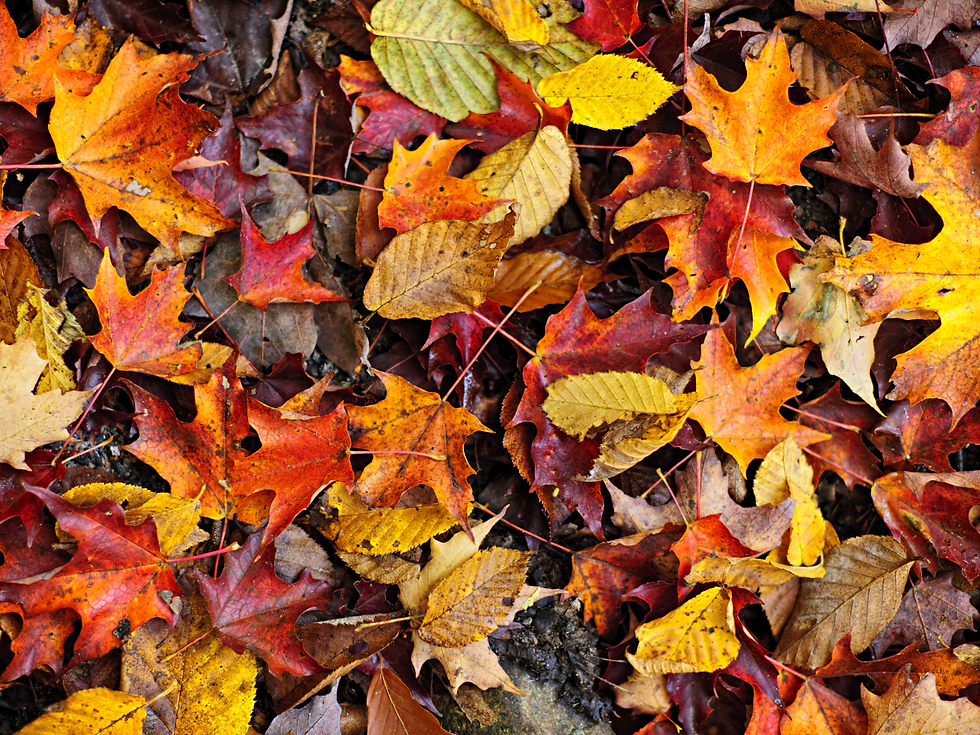
Bigleaf maple stands out with its large leaves, which can grow up to 12 inches across. It is a deciduous tree that adds vibrant fall colors to your yard. This species supports pollinators and provides food for various insects and birds. Its broad canopy offers ample shade, reducing cooling costs in summer.
Thrives in moist, fertile soils
Grows best in partial shade to full sun
Leaves drop in fall, requiring seasonal cleanup
4. Red Alder (Alnus rubra)
Red alder is a fast-growing deciduous tree that improves soil quality by fixing nitrogen. It is often used in restoration projects and can help stabilize slopes. For homeowners, it provides quick shade and attracts beneficial insects. Its lightweight wood is also valued for crafts and furniture.
Prefers moist, well-drained soils
Grows well in full sun
Leaves turn yellow in fall before dropping
5. Pacific Madrone (Arbutus menziesii)
Pacific madrone is a striking evergreen with smooth, reddish bark that peels away to reveal greenish layers beneath. It produces white flowers and bright red berries that attract birds. This tree is drought-tolerant once established and adds unique beauty to any landscape.
Requires well-drained soil
Prefers full sun
Sensitive to overwatering and root disturbance

6. Vine Maple (Acer circinatum)
Vine maple is a smaller native tree or large shrub that fits well in shaded or woodland gardens. It offers brilliant red and orange fall foliage and supports local wildlife with its flowers and seeds. This species is ideal for homeowners with limited space or those wanting to create natural-looking borders.
Grows well in partial shade
Prefers moist, well-drained soil
Requires minimal maintenance
7. Sitka Spruce (Picea sitchensis)
Sitka spruce is a coastal native that thrives in the moist, cool climate of Western Washington. It grows quickly and can reach impressive heights. This evergreen provides excellent windbreaks and habitat for birds. Its strong wood is used in construction and musical instruments.
Prefers full sun and moist soil
Tolerates salt spray near coastal areas
Needs space to accommodate its size
8. Cascara (Rhamnus purshiana)
Cascara is a native deciduous tree known for its medicinal bark and attractive yellow fall color. It supports pollinators with its small flowers and provides food for birds through its berries. This tree is suitable for naturalized areas and can tolerate a range of soil types.
Grows best in partial shade to full sun
Prefers moist, well-drained soil
Moderate growth rate
Why Tree Care Matters in Western Washington
Proper tree care ensures these species thrive and continue to provide environmental benefits. Regular watering during dry summers, mulching to retain soil moisture, and pruning to remove dead or diseased branches help maintain tree health. Avoiding soil compaction around roots and protecting trees from pests also supports longevity.
Healthy trees improve air quality by absorbing carbon dioxide and releasing oxygen. They reduce stormwater runoff by intercepting rain, which helps prevent flooding and erosion. Trees also create habitats for birds, insects, and other wildlife, supporting biodiversity in urban and suburban areas.
Homeowners who invest in the right trees and care for them contribute to a greener, healthier community. Selecting native species ensures better adaptation to local conditions and supports the natural ecosystem.
Final Thoughts
Choosing trees like Douglas fir, Western red cedar, and Bigleaf maple provides both beauty and environmental benefits for Western Washington homes. These species offer shade, habitat, and air quality improvements that enhance your property and the surrounding area. By planting and caring for these trees, you help create a sustainable environment for future generations.


Comments